

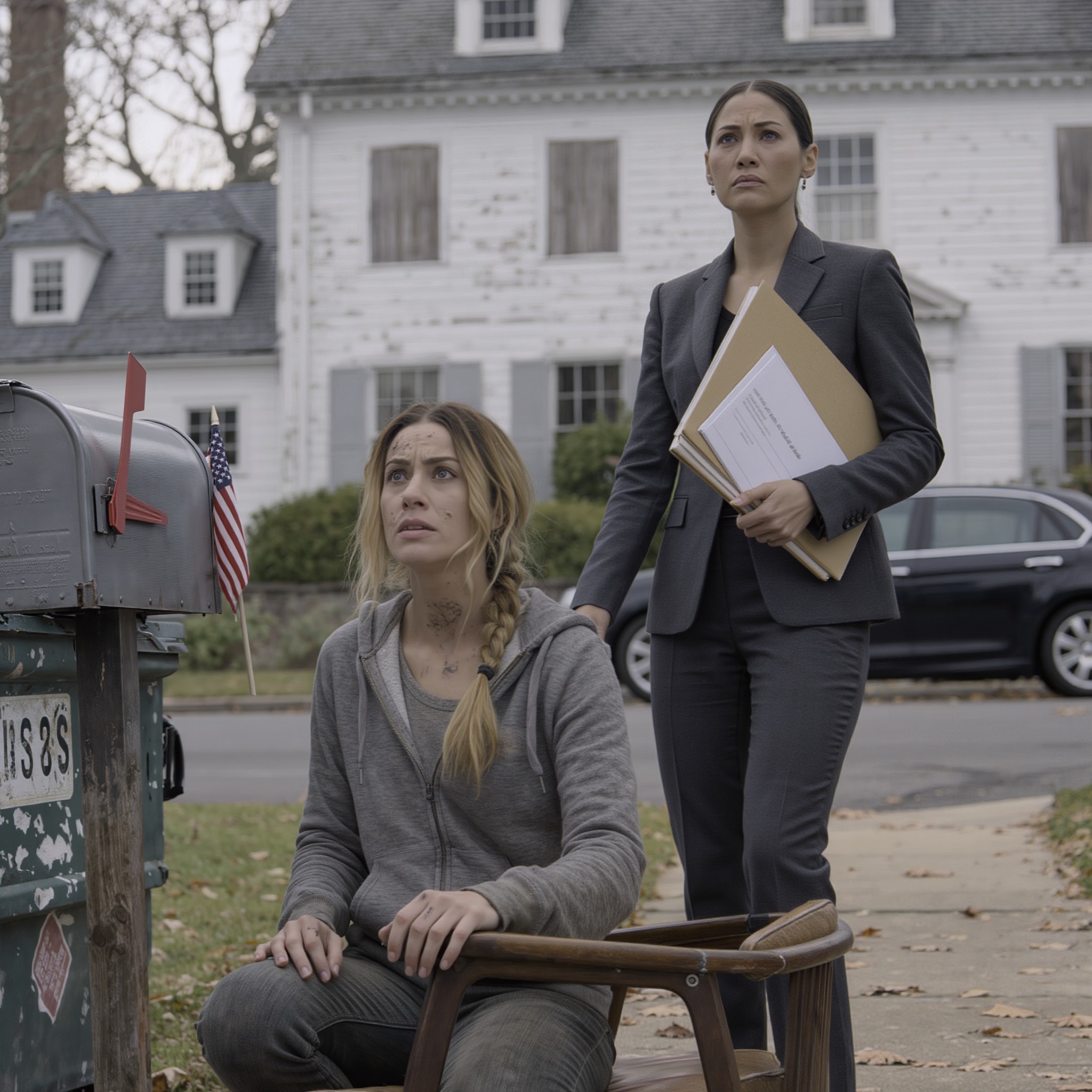
“Exactly,” Victoria said. “Sophia, I need evidence from your marriage showing Richard actively prevented you from working. Emails, texts—anything.”
I thought about those ten years. “I kept journals,” I said quietly. “I documented things.”
“Perfect,” Victoria said. “Get them to me today. We’re filing a counter-suit for harassment, defamation, and emotional damages. Richard’s about to learn that targeting you was the worst decision he’s ever made.”
Finding the journals was harder than expected—they were buried in storage boxes I hadn’t opened since moving to Manhattan. Jacob came with me. As we sorted, I found them beneath old textbooks and brittle notebooks.
“Listen to this,” I said, reading an entry from five years into my marriage. “Richard told his colleague at dinner that my architecture degree was a hobby—cute but useless. When I tried to correct him, he laughed and said I was too sensitive. Later, he told me I embarrassed him. I apologized. Jacob… I apologized for existing.”
Jacob’s jaw tightened. “He systematically destroyed your confidence.”
“He tried to,” I said. “But he didn’t succeed. I’m still here.”
The journals painted a devastating picture: ten years of emotional manipulation documented in my own handwriting—Richard criticizing my appearance, my intelligence, my dreams; “losing” my exam registration; scheduling trips during interviews; telling me repeatedly nobody else would love me.
Victoria reviewed the evidence with grim satisfaction. “This isn’t just proof,” she said. “It’s a roadmap of abuse. His lawsuit is going to backfire spectacularly.”
Richard’s legal team tried to settle within a week: they’d drop his claim if we dropped ours.
“Absolutely not,” I told Victoria. “He came after me when I was finally happy. He tried to undermine my engagement, my success, my peace. He doesn’t get to walk away without consequences.”
“You understand this will be public,” Victoria warned. “Records, allegations, all of it.”
“Good,” I said. “Let people see who he really is. I’m done protecting his reputation at the cost of my truth.”
The preliminary hearing was scheduled for December. I walked into that courtroom with Jacob beside me, Margaret behind us, and absolute certainty in my spine.
Richard sat with his lawyers, looking confident. That confidence evaporated when the judge reviewed our counter-claims.
“Mr. Foster,” the judge said, “these allegations are quite serious. Emotional abuse, financial control, deliberate career sabotage. Your attorney indicated this was a simple property dispute.”
Richard’s lawyer stood. “Your honor, these accusations are exaggerated. My client supported Ms. Hartfield financially throughout their marriage.”
Victoria rose, calm as steel. “Supported her or imprisoned her, your honor. We have extensive documentation showing Mr. Foster systematically prevented Ms. Hartfield from pursuing her career. He discouraged employment, sabotaged applications, used financial control to maintain dominance. This wasn’t support. It was abuse designed to keep her dependent.”
By the time Victoria finished, Richard looked pale and small.
The judge was not sympathetic. “Mr. Foster, these documents suggest your lawsuit is retaliatory rather than substantive. Ms. Hartfield received her inheritance after your divorce was finalized. You have no legal claim. Moreover, claiming her education as marital property when you actively prevented her from using it professionally is both legally frivolous and morally questionable.”
Richard’s lawyer tried to argue. The judge cut him off.
“Motion dismissed with prejudice,” the judge said. “Mr. Foster, you’re fortunate Ms. Hartfield isn’t pursuing criminal harassment charges. Consider this outcome a gift and move on with your life.”
Outside the courthouse, reporters waited.
“Ms. Hartfield,” one called, “how do you feel about the judge’s ruling?”
“Vindicated,” I said. “My ex-husband spent ten years trying to make me believe I was worthless. He took everything in our divorce. And when I rebuilt my life, he tried to take that too. Today, a judge confirmed what I already knew: Richard Foster is a small man who can’t handle strong women. I’m done giving him any power over my narrative.”
“Will you pursue further legal action?”
“No,” I said. “He’s not worth my time or energy. I have buildings to design, a company to run, and a wedding to plan. Richard is irrelevant to my future—and honestly, he always was.”
The clip went viral. By evening, other women came forward with stories about Richard—patterns of controlling behavior. His business started losing clients. His reputation crumbled, not because of anything I actively did, but because of who he’d always been.
Finally exposed.
That night, Jacob found me on the estate’s rooftop looking at city lights.
“How are you really feeling?” he asked.
“Free,” I said. “Completely free. He can’t touch me anymore.”