

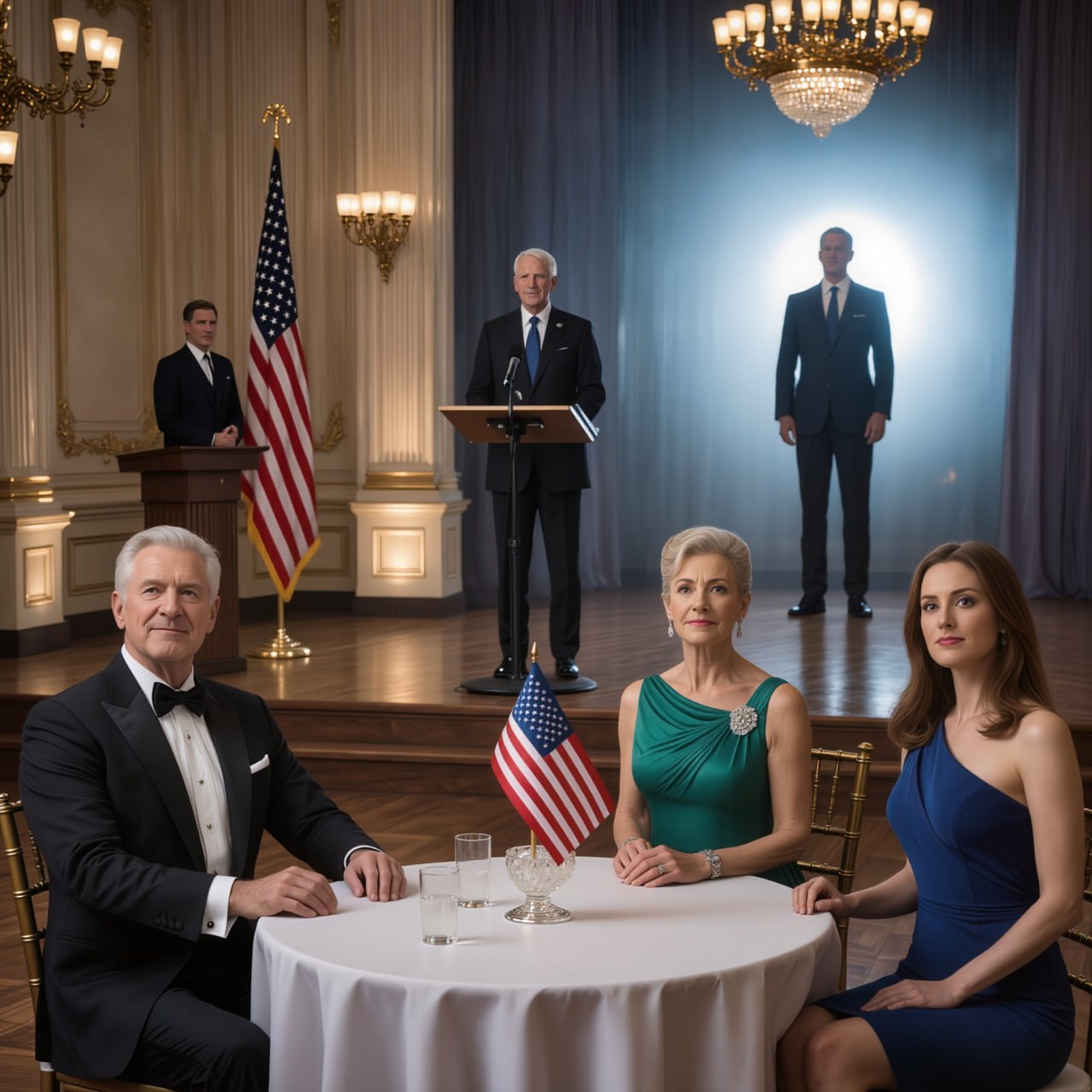
The first thing I remember about that night is the way the candlelight made everything look softer than it really was.
It was one of those restaurants where the walls are the color of old cream, where the lighting is designed to flatter the living and forgive the guilty. The kind of place my mother loved because it made every table look like a scene from a magazine. Linen folded into crisp triangles. Glasses so thin they felt like they might disappear between your fingers. A low murmur of conversation that never rose above polite, as if volume itself were poor taste.
I’d been there before, not often. Not because I couldn’t afford it, but because I’d spent years saving my money the way you save your breath when you’re walking uphill. And because in the Dixon family, restaurants like this weren’t about enjoying food. They were about being seen.
My mother insisted we reserve the private room.
“Fifteen people,” she’d said over the phone earlier that week, her voice bright in a way that made my stomach tighten. “Family. A proper birthday dinner. People who love you.”
She said it the way she said “proper” about everything. As if anything outside her definition didn’t count.
I should have recognized the setup. I should have recognized the sweetness in her tone for what it was: not affection, but preparation. My mother rarely softened unless she was about to sharpen something.
I arrived a few minutes early anyway. That’s what I do. Years of working in hospitality trained it into my bones: arrive early, look composed, be ready to adjust to other people’s needs. Even when I told myself I was walking in as a daughter, not as staff, my body didn’t fully believe it.
The hostess at the front led me down a quiet hallway to the private room. The carpet muffled my steps. The walls held framed black-and-white photographs of Chicago at night, all gleaming streets and old glamour. For a moment, the hallway felt like a tunnel into something inevitable.
When the door opened, I saw my family already settled into their positions like they’d taken their marks.
My father sat near the head of the table. Robert Dixon, posture straight, suit flawless, expression controlled. Even his stillness looked expensive. He glanced up at me, then back down at his watch as if he were timing my arrival.
My mother sat close to him, Eleanor Dixon, her hair styled perfectly, her earrings catching the candlelight. She had that particular smile she used in public, the one that suggested kindness while communicating ownership.
And Victoria, my sister, sat at an angle that gave her a clear view of me.
She was holding her phone.
Not casually, not absentmindedly, not the way someone scrolls or checks a message. It was held with intention, camera facing outward, lens angled precisely toward the seat that had been arranged for me.
The sight of it did something to my chest. Not panic exactly. More like the quiet recognition of an old pattern.
Victoria has always loved evidence.
Not evidence of her work, or her talent, or her achievements. Evidence of other people’s vulnerability. Evidence of moments she could replay later for entertainment or leverage.
She smiled as I walked in, and that smile carried a message I understood immediately.
You’re the show.
I kept my face neutral. I kept my shoulders relaxed. I moved toward my seat as if nothing about this was strange. My heels clicked softly against the floor, measured and steady.
“Happy birthday,” my mother said, loud enough for the room to notice. As if the staff outside the door needed to hear how supportive she was.
“Thank you,” I replied.
My father didn’t stand. He didn’t hug me. He didn’t look me in the eyes long enough for warmth to land. He simply nodded once, the way a man nods when acknowledging a delivery.
Victoria adjusted her phone angle slightly.
I sat down.
The chair cushion was plush. The table was set so precisely it looked staged. My napkin lay folded on the plate, and beside it was a menu printed in elegant script. The air smelled like butter and wine and something floral that was supposed to feel romantic and instead felt like an attempt at disguise.
Extended family filled the room. An aunt in diamonds that caught every flicker of light. An uncle with a too-loud laugh. Cousins who looked more like spectators than loved ones. Fifteen people, my mother had said.
Fifteen witnesses.