

Marcus proposed on a rainy April evening in the garden where my grandmother used to grow herbs. The cottage had been sold years ago, but the new owners had kept the garden—rosemary, lavender, thyme still growing wild in the beds Grandma Ruth had tended.
Marcus had somehow gotten permission to bring me there. He kneeled in damp earth with a ring box in his hand.
The ring wasn’t a diamond. It was a sapphire—the stone from my grandmother’s locket—reset into something new, something that carried my history into our future.
I said yes before he finished asking.
That night, floating on happiness, I called my mother to share the news.
“Engaged?” Mom’s voice was flat. “To the computer guy. What does his family do?”
“He’s a software engineer, Mom, and his parents are wonderful people.”
“But are they established? What kind of wedding can they afford?”
I felt my joy deflate like a punctured balloon.
“I didn’t call to discuss budgets,” I said carefully. “I called to tell you I’m getting married.”
A long pause.
“Well, at least he has a stable job,” she said. “I suppose that’s something.”
No congratulations. No tears. No “I’m happy for you, sweetheart.”
Later that night, Clarissa texted: “You’re getting married before our two-year anniversary? Kind of tacky. TBH.”
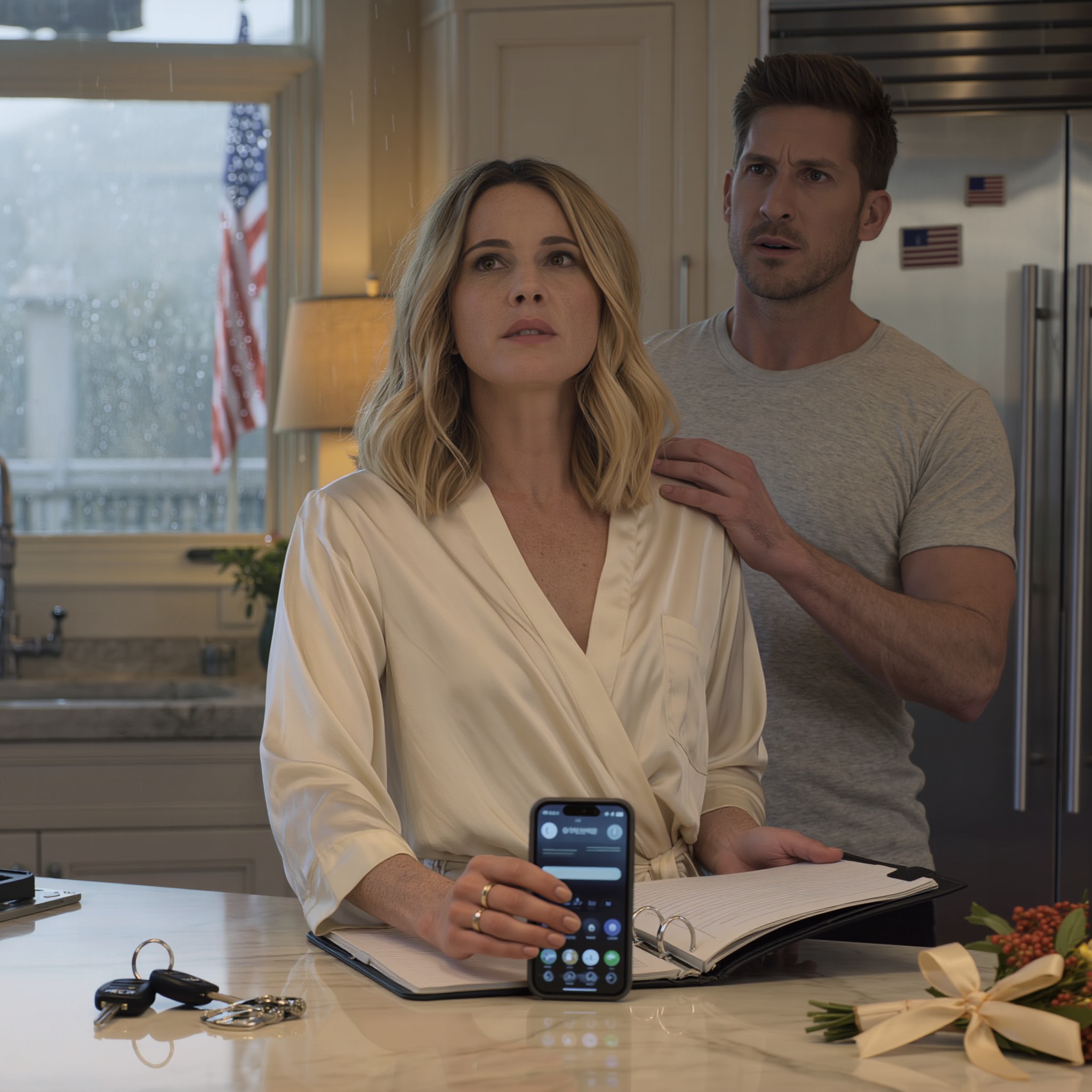
Marcus found me in the kitchen staring at my phone.
“They didn’t take it well,” he said quietly.
“They didn’t take it at all,” I said. “They just inventoried it, like I was announcing a business merger instead of the happiest day of my life.”
He pulled me close.
“Then we’ll celebrate with people who actually care,” he said. “My parents are already planning a dinner.”
I should have known then. The signs were all there, written in neon.
But hope is a stubborn thing.
And I still believed that when my wedding day came, my parents would show up.
Six months before the wedding, I signed the rental agreement on a tiny storefront on Southeast Division Street.
Sweet Dawn Bakery.
The name came to me in a dream—my grandmother standing in morning light, pulling cinnamon rolls from the oven, the kitchen glowing gold.
Robert Cole found the space during one of his property searches.
“The rent’s manageable,” he said, sliding the papers across his dining table. “And the previous tenant left the ovens. You just need your own equipment.”
Helen brought me a vintage cake stand from an estate sale.
“For good luck,” she said, pressing it into my hands.
I was still sending my parents $2,500 every month, even as I scraped together deposits and first-month rent. I was stretched so thin I could feel myself fraying at the edges.
But I refused to stop. Not yet.
Family was family, even when family didn’t feel like family.
When I showed my mother photos of the bakery space, she squinted at her phone screen.
“It’s small,” she said. “Are you sure you’ll get enough customers?”
“I have to start somewhere, Mom.”
“I just worry about you wasting money,” she sighed. “Clarissa’s been talking about opening a nail salon. Maybe you could help her get started instead.”
I didn’t respond. There was nothing to say.
A week later, I was at Robert and Helen’s house organizing my business tax materials when Robert paused over a stack of printouts I’d brought—eight years of transfers, $2,500 month after month, plus the “emergencies.” The total was staggering.
Robert didn’t say a word at first. He just looked at me with eyes full of something I couldn’t name—sadness, maybe, or recognition.
“You’ve done more than your duty, Athena,” he said quietly. “I want you to know that.”
I didn’t realize then how much it mattered that someone had seen it all.
Two months before the wedding, I sent out save-the-date cards. I designed them myself—simple cream card stock with pressed lavender from Helen’s garden.
June 15th.
“Please join us for the wedding of Athena Marie Wells and Marcus James Cole.”
I handed my parents’ invitation to them in person, hoping that seeing it—seeing me—might spark something. A flicker of excitement. An acknowledgment that their daughter was getting married.
Mom glanced at the card and frowned.
“June 15th.” She pulled out her phone, scrolled, and sighed. “That’s close to Clarissa’s birthday. You know she turns twenty-eight on the seventeenth.”
“I know when Clarissa’s birthday is, Mom. The wedding’s on the fifteenth.”
Still, she set the invitation down on the kitchen counter next to a stack of groceries.
“We might have plans.”
Clarissa wandered into the kitchen, grabbed a yogurt, and spotted the card.
“Oh. Your wedding thing.” She shrugged. “Brad wants to go to Cabo that weekend. I’ll try to make it, but no promises.”
Dad sat in the living room the entire time watching a golf tournament. He didn’t even turn around.
On the drive home, I called Marcus.
“They didn’t commit,” I said, my voice hollow. “They said they might have plans for our wedding.”
There was a long silence.
Then Marcus said gently, “Athena… maybe it’s time to accept that your family isn’t capable of being what you need them to be.”
“They’ll come,” I insisted. “When the actual day arrives, they’ll be there. I know they will.”
And if they’re not—
I didn’t finish. I couldn’t imagine it. My own parents choosing not to witness the most important day of my life seemed too cruel, too impossible.
Six weeks later, I learned that cruelty was exactly what they were capable of.
The call came on a Tuesday afternoon in late May. I was standing in a bridal shop downtown, surrounded by mirrors that showed me from every angle. The dress was ivory silk with delicate beading at the neckline—simple but elegant.
My phone buzzed.
Mom.
“Hi, Mom. I’m actually at my final fitting right now—”
“Athena, I need to tell you something.”
Her voice was matter-of-fact, like she was reading from a grocery list.
“Your father and I won’t be able to make it to the wedding.”
The fitting room went silent. The consultant adjusting my hem looked up, concerned.
“What do you mean you won’t be able to make it?”