
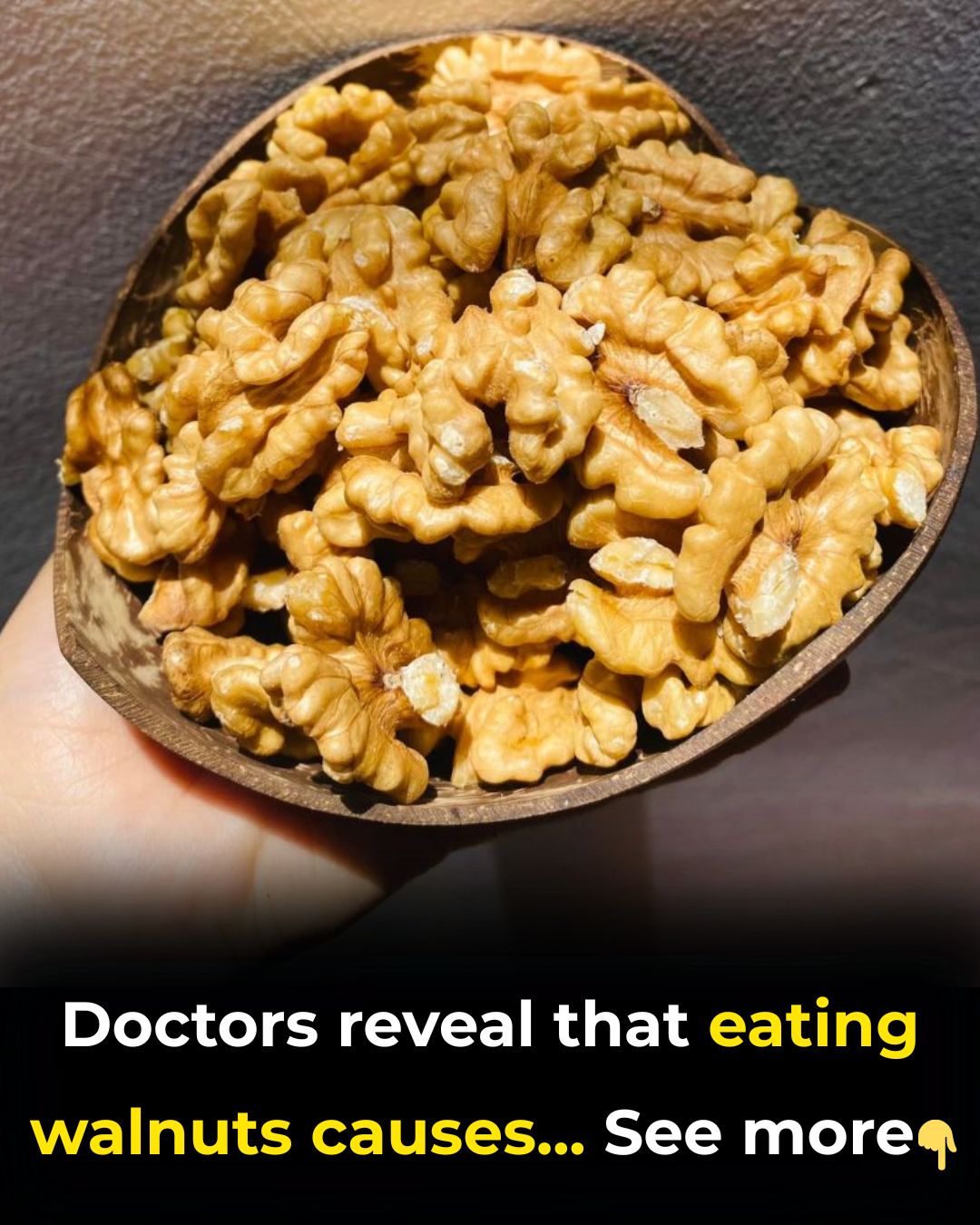
Walnuts are the edible seeds of trees belonging to the Juglans genus, most commonly the Persian or English walnut and the black walnut. They grow inside a hard shell that must be cracked to reveal the distinctively shaped, wrinkly lobes within. A thin, brown skin covers the edible kernel, and this skin is a crucial part of the nut's nutritional value.
Like many nuts and seeds, walnuts are prone to spoilage if not stored correctly due to their high oil content. To keep them fresh, shelled walnuts should be stored in an airtight container in the refrigerator, where they can last for up to six months. You can also freeze them for up to a year. Un-shelled walnuts should be kept in a cool, dry, and dark place for up to six months.
Nutritional Profile and Key Benefits
The impressive nutritional makeup of walnuts is why they're so highly regarded. A 1-ounce serving (about 14 walnut halves) contains 185 calories, 4.3 grams of protein, and nearly 2 grams of dietary fiber. They also have a low glycemic index, making them a great snack for stable energy.
Beyond their basic macros, walnuts contain a unique combination of polyunsaturated fatty acids, specifically omega-6 (linoleate) and omega-3 (linolenate). They are one of the richest plant-based sources of omega-3s, with a single serving providing 2.57 grams of the beneficial fatty acid alpha-linolenic acid (ALA). These healthy fats are a primary reason for the nut's cardiovascular benefits.
Walnuts are also an excellent source of essential vitamins and minerals. A quarter-cup (approx. 30 grams) provides 50% of your daily manganese needs, 23% of your copper, 11% of your magnesium, and nearly 5% of your iron.